Selective
Many products, a few pallets of each.
- Density
- Reach
- Every pallet
- Rotation
- Any order

Lenokers/Products/Warehouse Racks/Pallet Racks/Pallet Shuttle Racking
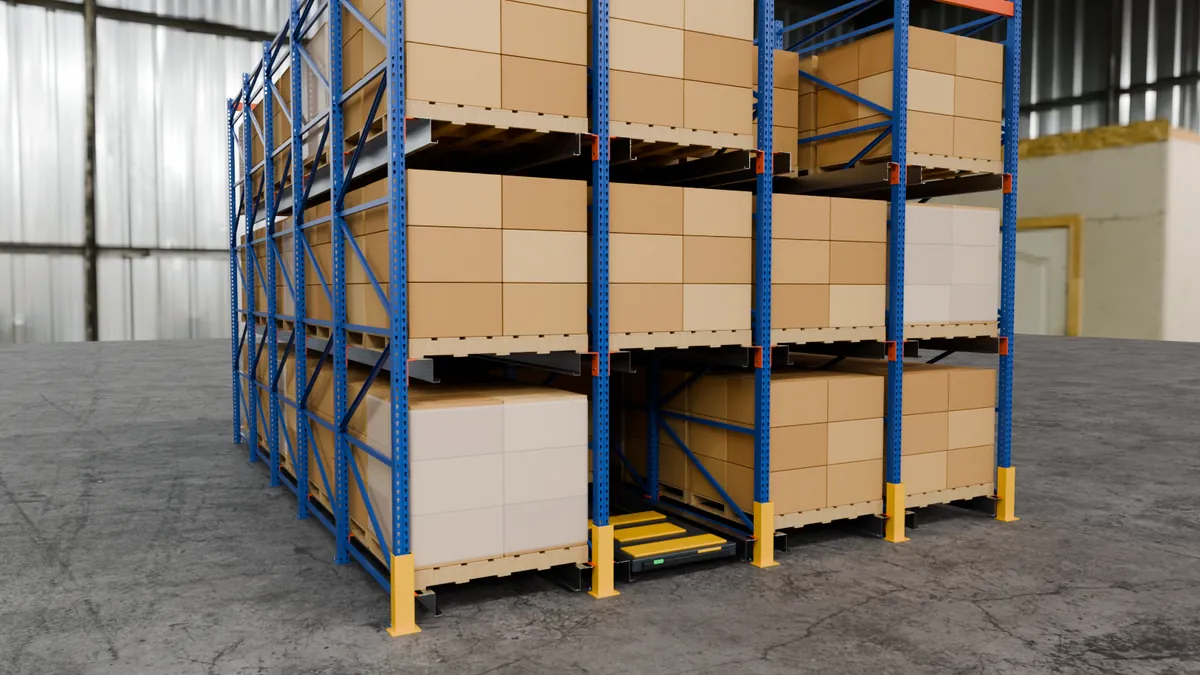
Deep lanes served by a battery shuttle: the forklift sets each pallet at the lane entry and the shuttle carries it in. Supplied or installed, with a reply within one business day.
years installing racking
racking installations completed
our core service area, with projects beyond it




| Specification | Standard range |
|---|---|
| Layout | Deep lanes with a shuttle rail along each side; one product per lane |
| Access | First in, first out with an aisle at each end; last in, first out from one aisle |
| Shuttle | Battery shuttle that runs under the pallets; run by remote control or a warehouse system |
| Lane depth | Deep lanes, sized to how many pallets of each product you keep |
| Height | Typically 3 to 5 levels |
| Upright frames | Roll-formed or structural |
| Static capacity | Engineered per lane for your heaviest pallet; confirmed in your quote |
| Lift trucks | The counterbalance or reach trucks you already use; they stay at the lane face |
| Batteries | Swappable battery packs, charged outside the rack |
| Condition | New or used racking; shuttles quoted to your system |
| Lead time | 6–10 weeks for standard systems; confirmed in your quote |
| Other sizes | On request: tell us what you need |
Capacities are static ratings; every quote confirms the rating for your load.
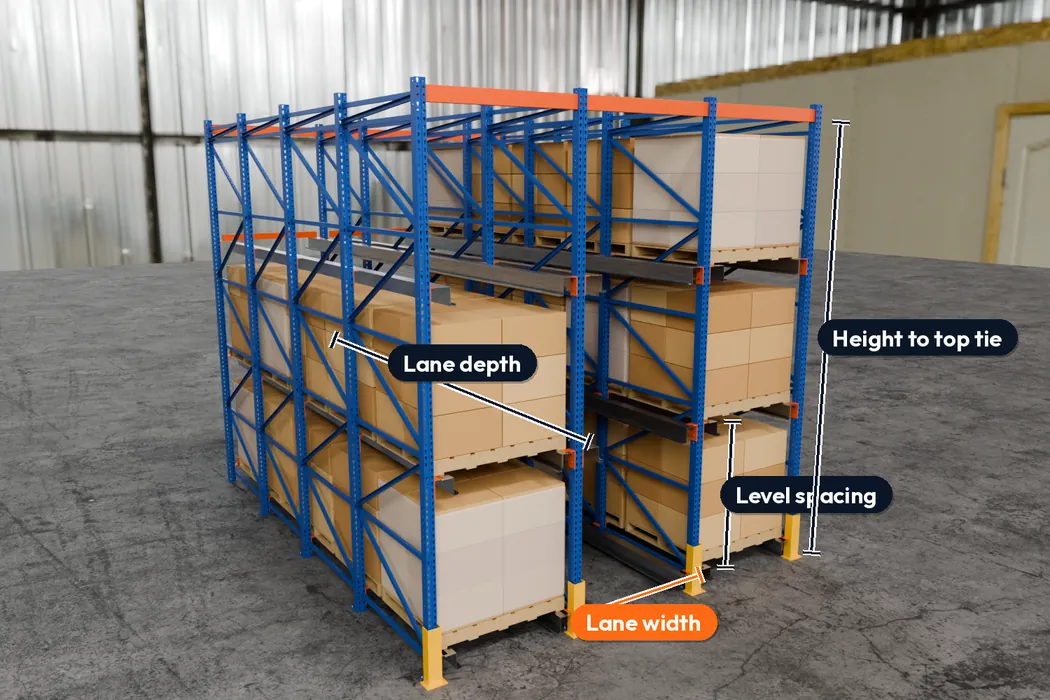
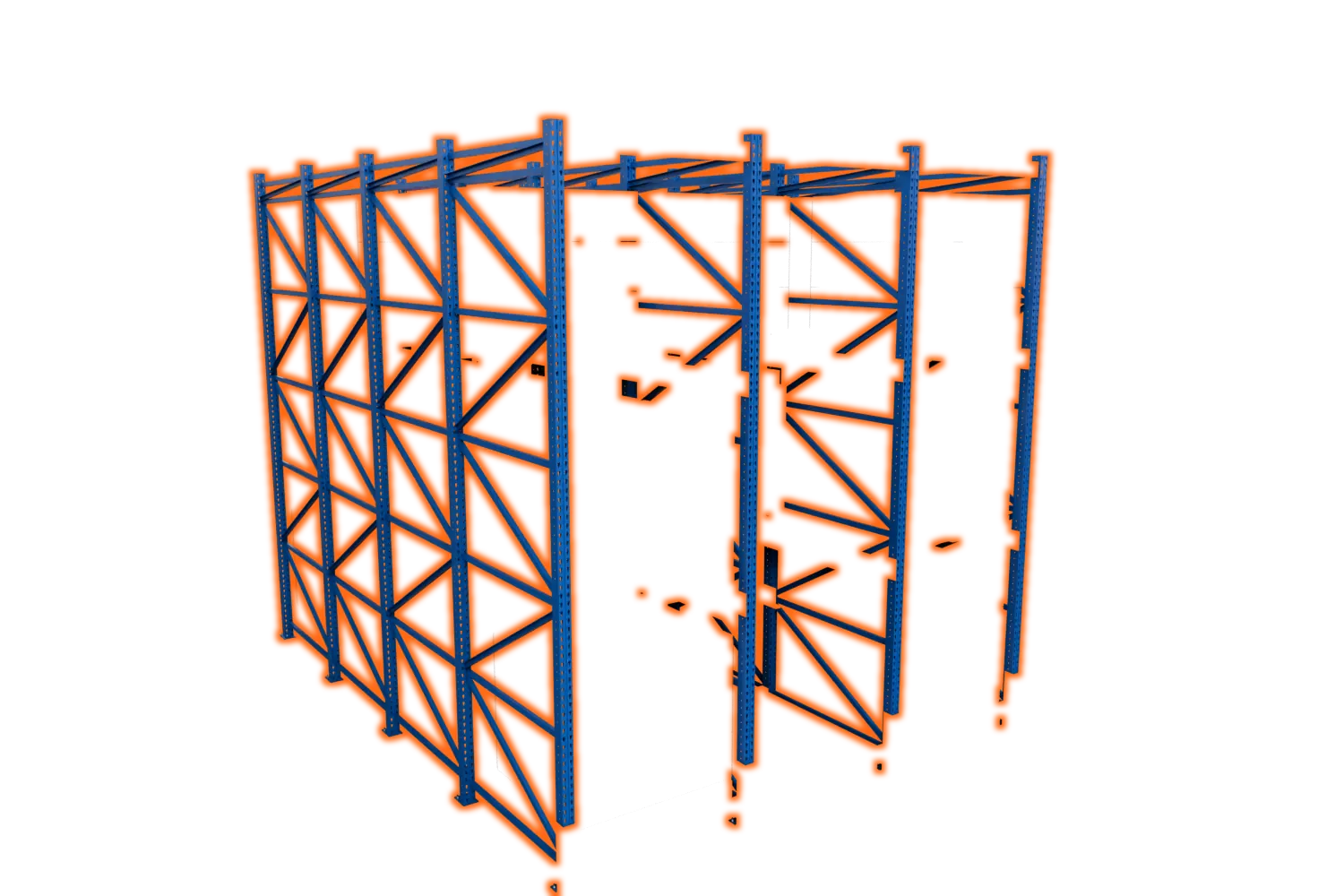
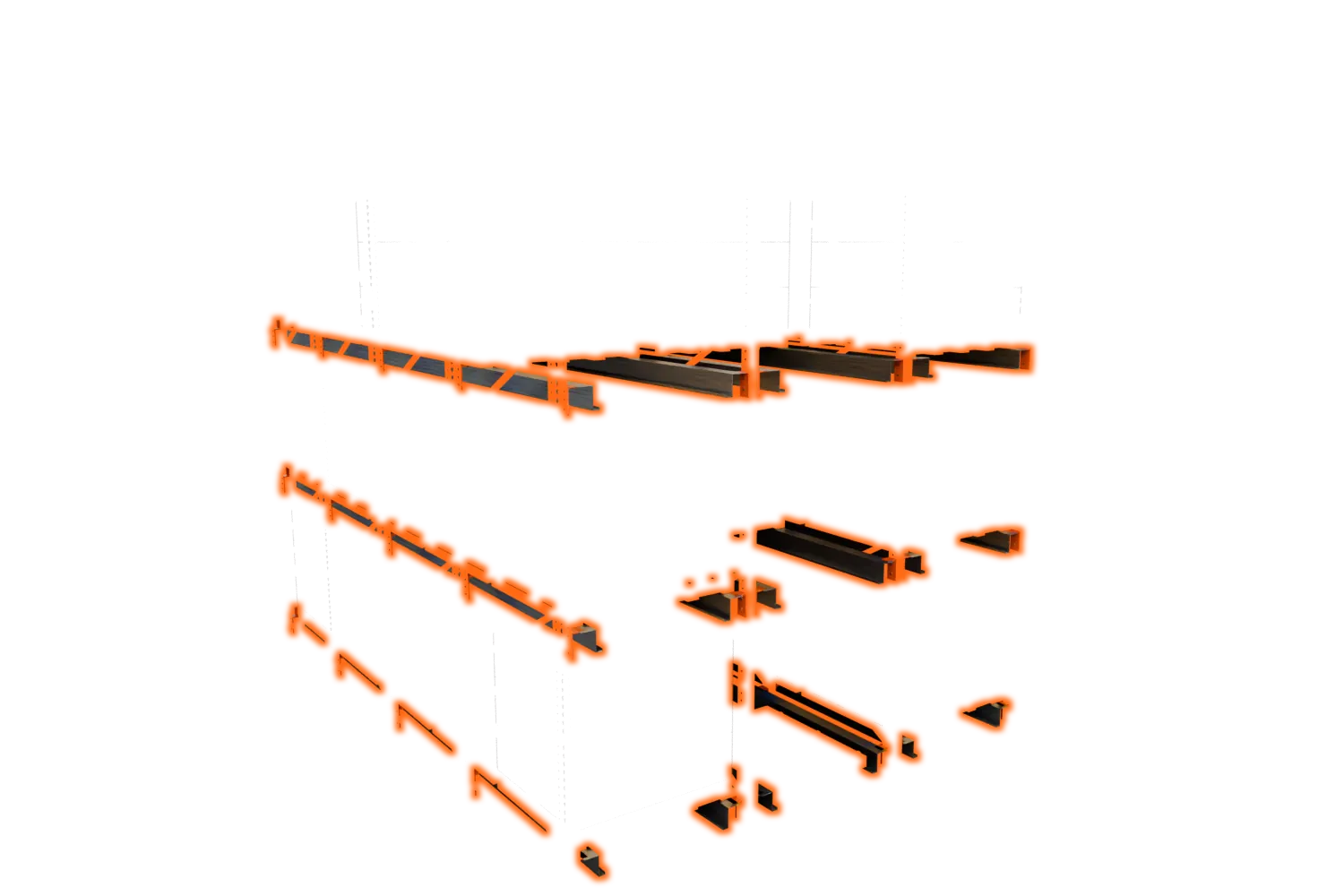
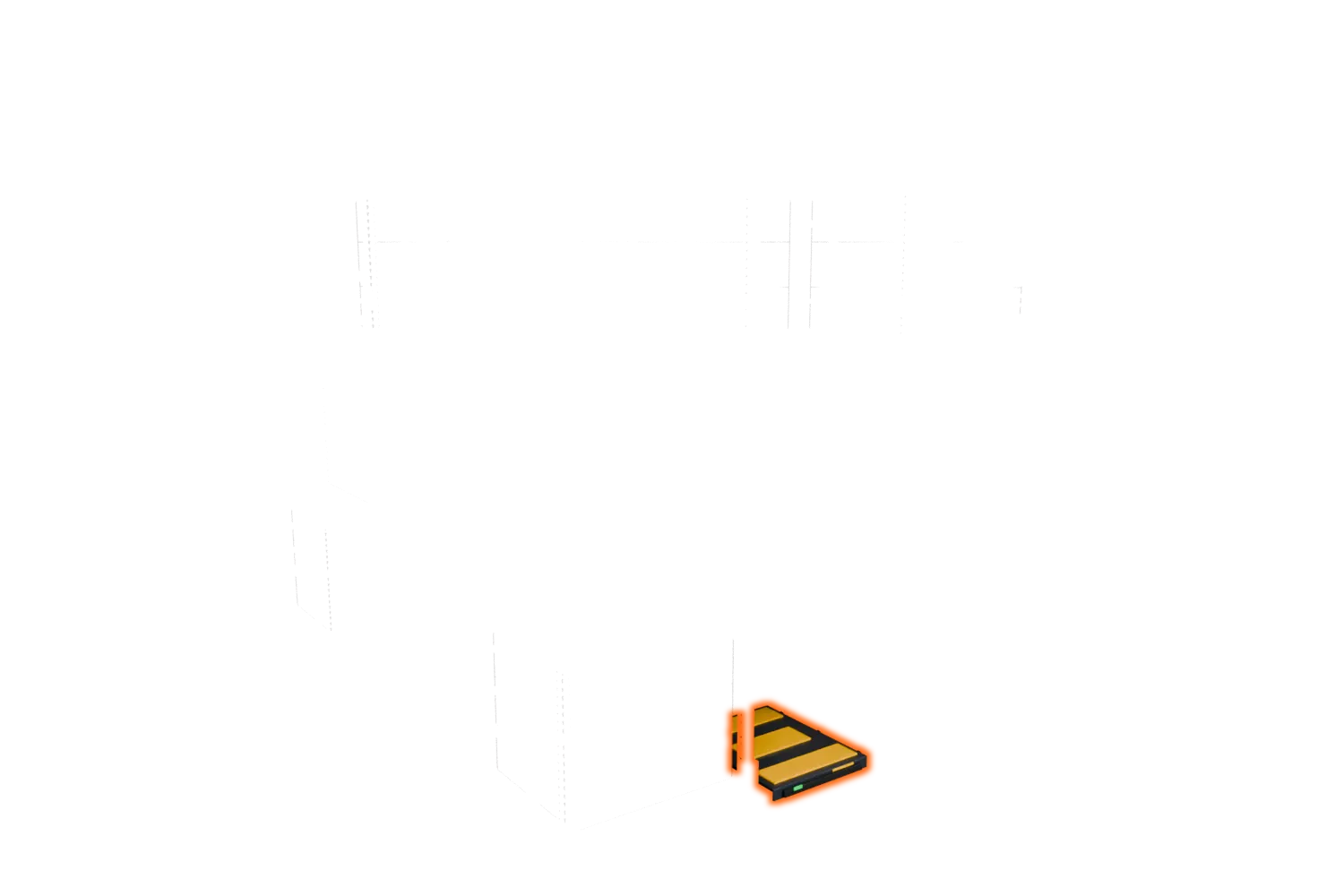

 Tap a number to see each part
Pick a part to see where it sits on the rack.
Adding to racking you already have? Send a photo of the upright and we’ll match the parts.
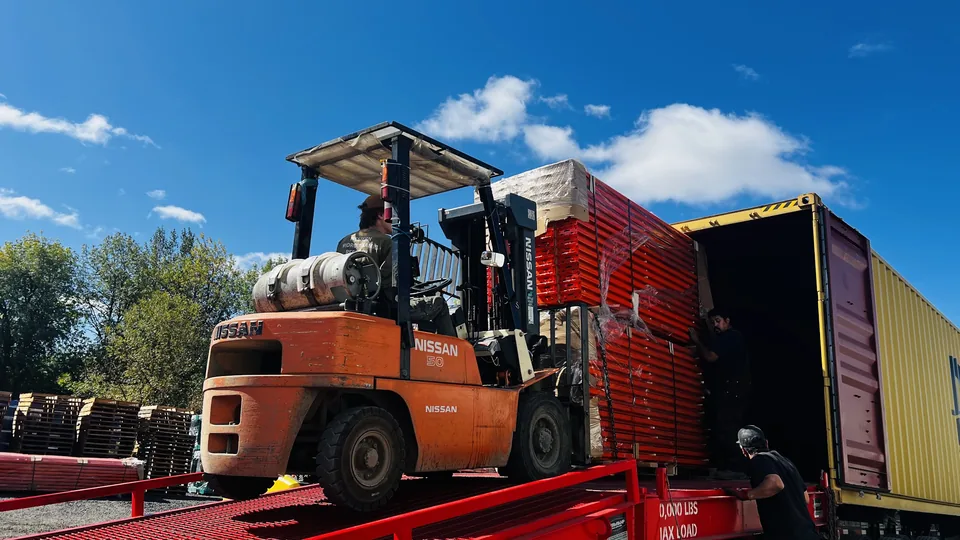
Frames, rails, brackets and ties delivered to your dock; shuttles to your system.
 Recommended
Delivered and built by our own crew.
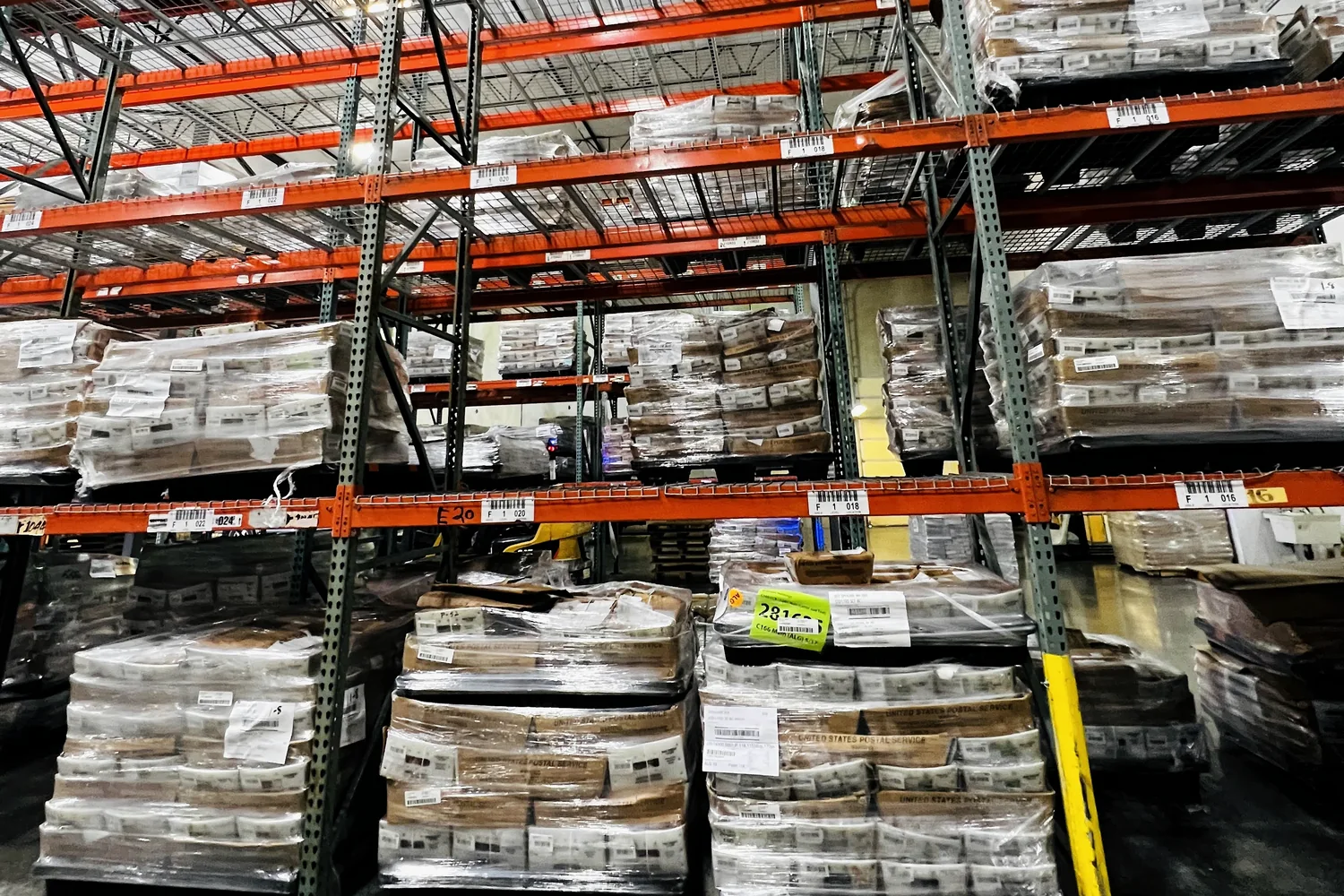
More photos
Racking installations
1,200+
Years installing racking
20+
First reply
1 business day
“They did a great job, reasonable pricing, and they are very open to jobs with shifting deadlines/priorities.”
Rocky Pope, Google review
Free quote · reply within one business day

Dmytro and Lenokers went above and beyond my expectations. We were looking to liquidate a good amount of pallet racking from our warehouse and between our first contact and our warehouse being cleared of our racking, barely a week had passed! They were kind, courteous, and more than professional for the entire experience. I would not hesitate working with them again!

Lenokers did a great job for us. Professional and timely. I recommend there services.

Dmytro was great to work with
All went smoothly
Will definitely be calling again
Tim
Steel Tek

We had to move some inventory around very quickly to make room for a new customer and we ran out of rack space. I called Lenokers and they had exactly what we needed. Within 3 hours we had our racking and we're back to getting organized!
Thanks guys!

It was a pleasure working with Dmytro and his team to improve our warehouse! Timely communications and service.
How is pallet shuttle racking priced?
By the racking and the shuttles: frames, rails and ties for the lanes you need, the number of shuttles and batteries for the pallets you move per hour, plus freight and installation if you want it. Send your pallet size and weight, how many pallets of each product you keep, your clear height and your pallets per hour, and we price the system. See warehouse layout design.
How does a pallet shuttle work?
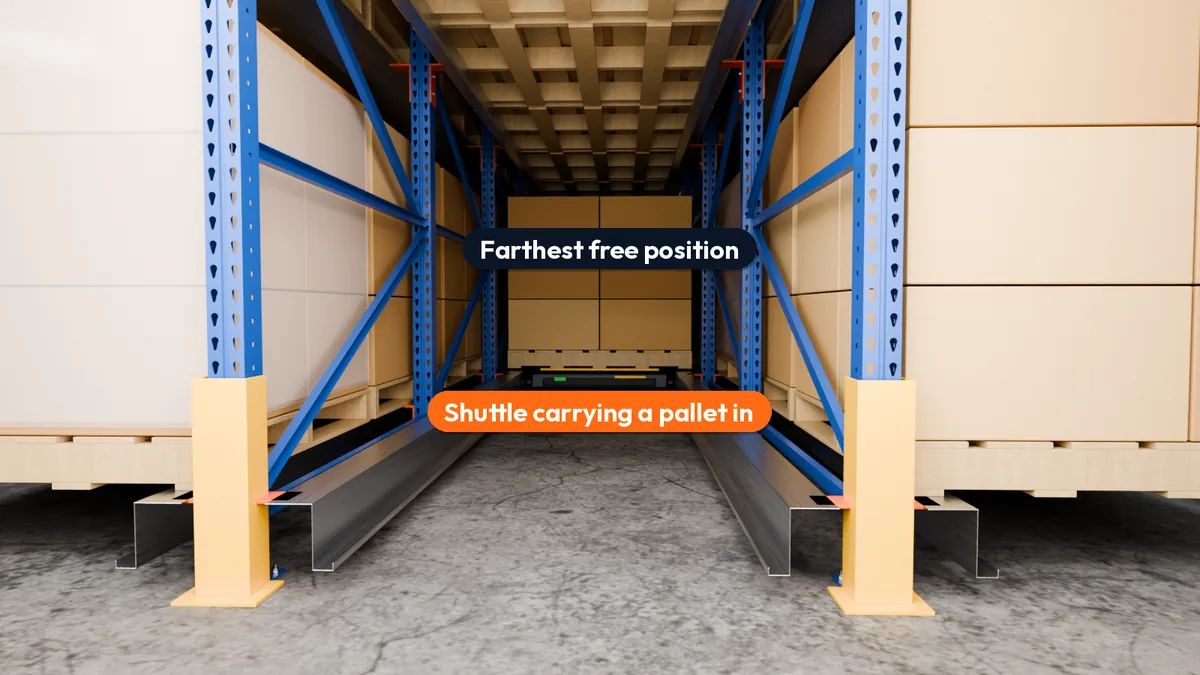
The forklift sets the shuttle in a lane, then sets each pallet on the rails at the lane entry. The shuttle runs in under the pallet, lifts it and carries it to the farthest free position, then comes back for the next. To unload, it brings pallets to the entry one at a time.
Is a pallet shuttle first in, first out?
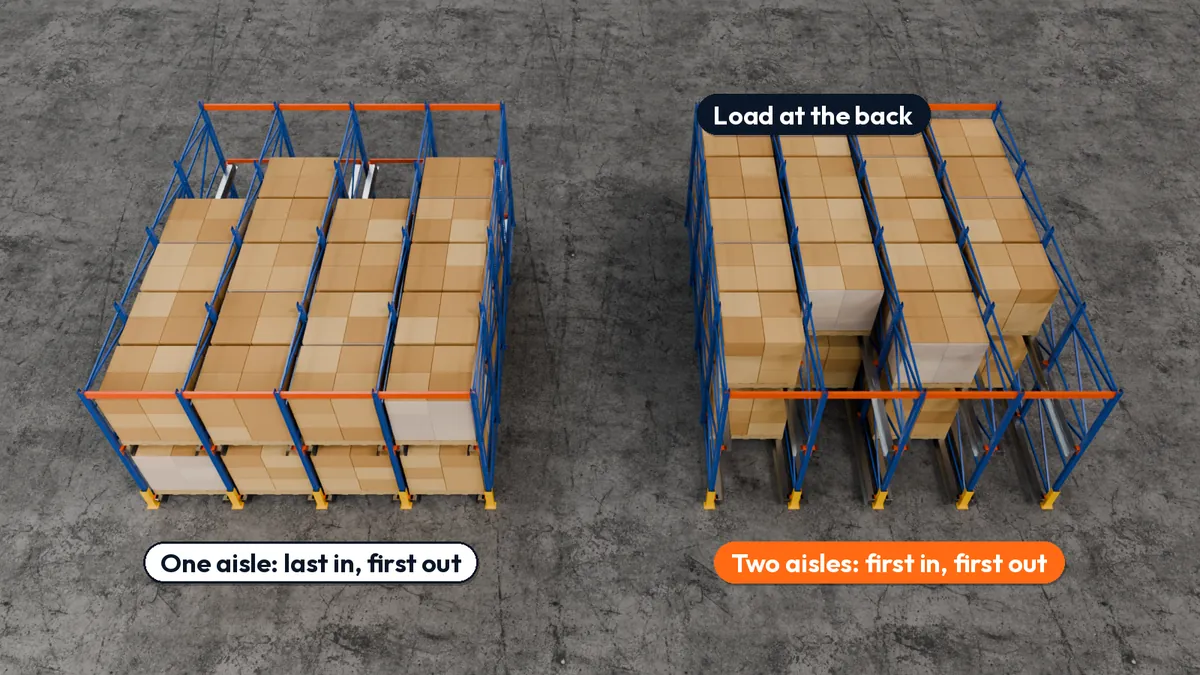
It can be either. With an aisle at each end, you load from one side and unload from the other: first in, first out. With one aisle, the lane is loaded and unloaded from the same face: last in, first out.
Pallet shuttle or drive-in racking?
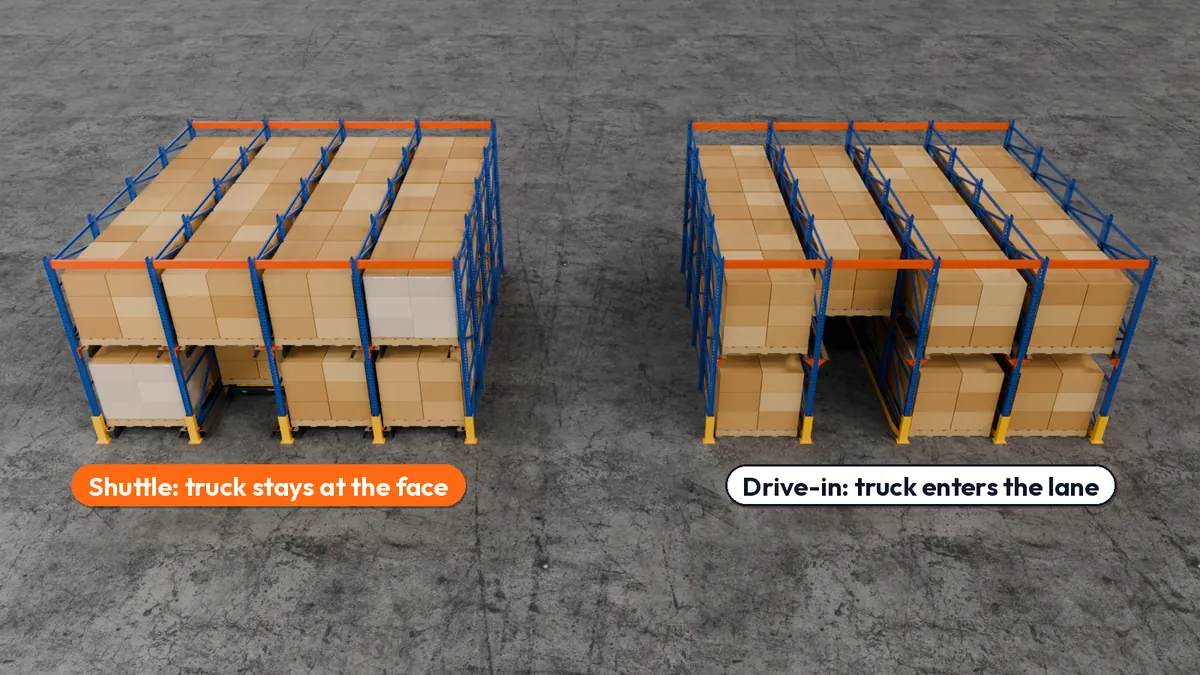
Both store pallets in deep lanes. In drive-in racking the truck drives into the lane, which is slower and puts the rack at risk. With a shuttle the truck stays at the lane face, levels can hold different products, and the lane can run first in, first out.
Do shuttles work in freezers?
Yes: shuttle lanes are common in cold storage, because they store the most pallets in the space you pay to keep cold and keep trucks out of the lanes. Cold-store shuttles and batteries are built for the temperature.
Do we need a permit and anchoring?
Often, yes: many cities ask for a permit for storage racking, and racks are anchored to the floor to the local seismic rules. We prepare the permit drawings and anchor every frame we install. See racking permits and rack anchoring.
Pallet size and weight, the positions you need, or a photo of what you have. You get a priced parts list, new or used.
Any order size
New & used
Supply only or supply & install
Prefer to talk? Call 971-337-6608 · Mon–Fri 8am–5pm
We reply within one business day.
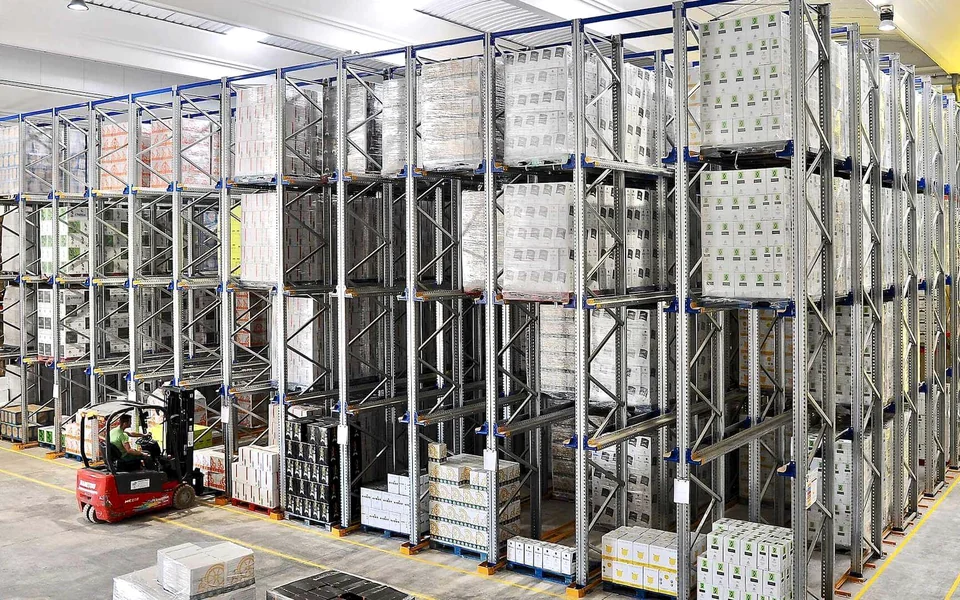
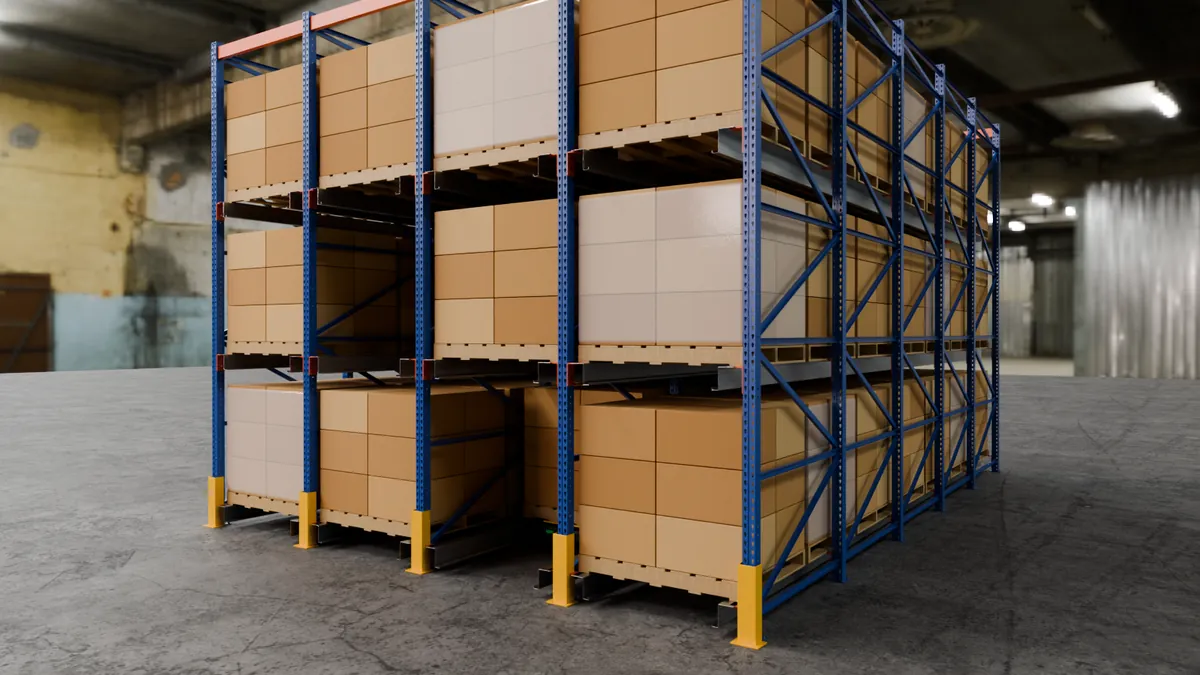
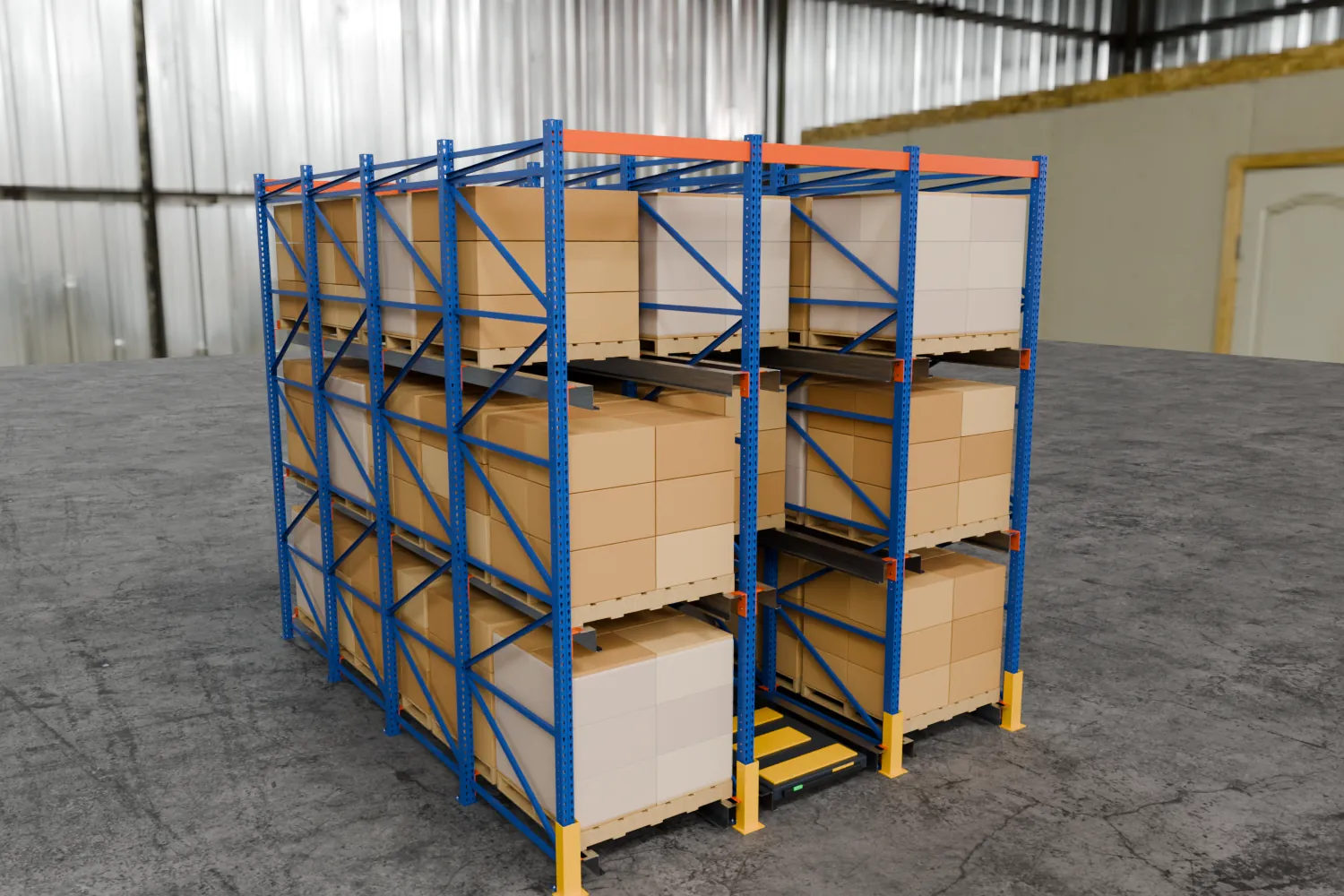
Pallet shuttle racking, also called radio shuttle or shuttle racking, stores pallets in deep lanes like drive-in racking, but the forklift never enters the rack. A battery shuttle runs on rails under the pallets: the driver sets each pallet at the lane entry and the shuttle carries it to the farthest free position. It suits cold storage, food and beverage, and any warehouse with many pallets of each product. Lenokers supplies pallet shuttle racking, shipped from points across the US, supply only or installed by our own crews, with layout, permits and anchoring when the project needs them.
Each lane holds one product. The forklift sets the shuttle in the lane, then sets a pallet on the rails at the entry. The shuttle runs in under it, lifts it a little off the rails, carries it to the back and sets it down, then returns for the next pallet. Unloading runs the other way, one pallet at a time to the lane entry.
Loaded and unloaded from the same face, a shuttle lane is last in, first out, like drive-in. Open at both ends, it becomes first in, first out: pallets go in from one aisle and leave from the other, oldest first, at the cost of a second aisle.
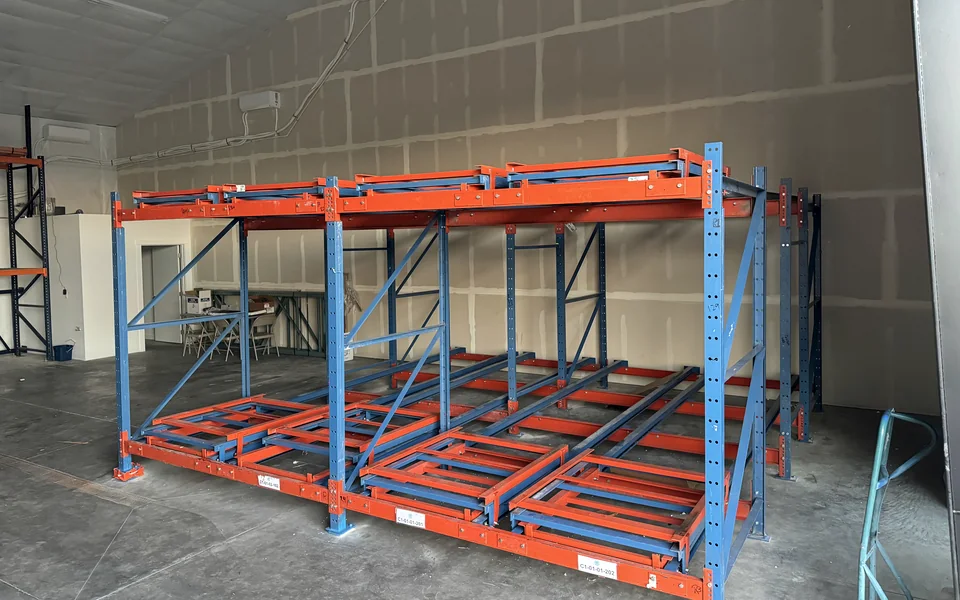
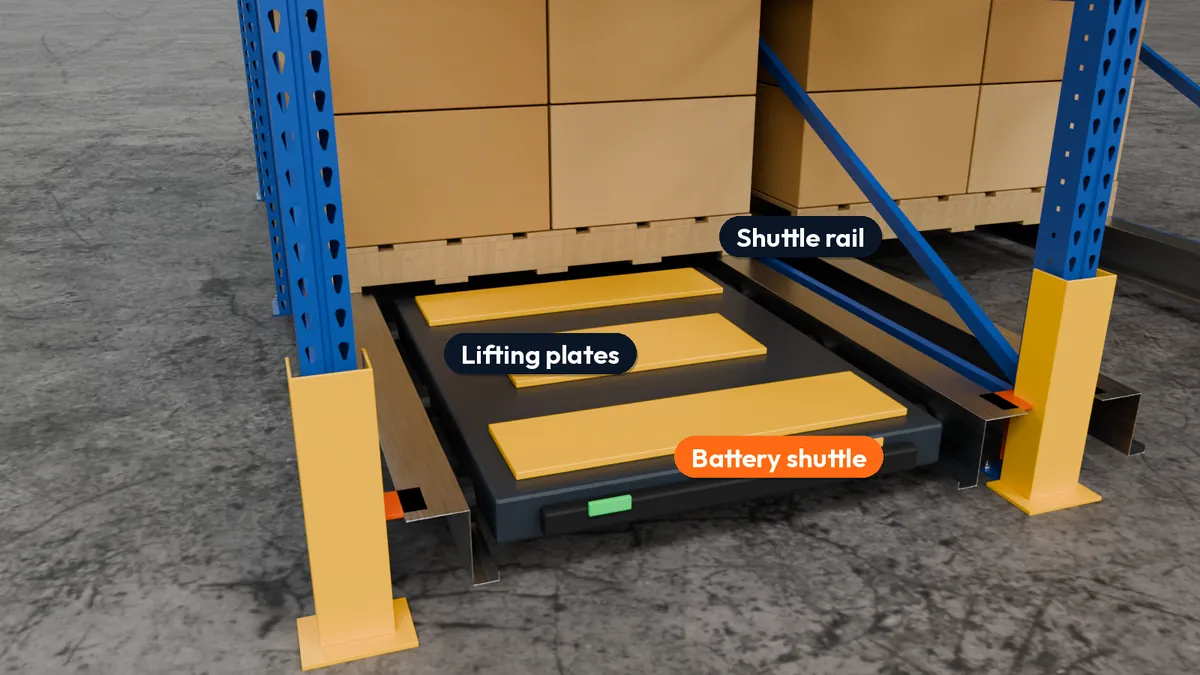
The rails run along both sides of the lane on brackets bolted to the uprights: pallets rest on their top, and the shuttle rides their lower flange. Shuttles run on swappable battery packs charged outside the rack, and are driven by a hand-held remote or a warehouse system. The number of shuttles is set by the pallets you move per hour.
Drive-in racking costs less but puts the truck inside the lane, slowly and close to the uprights. A shuttle keeps the truck at the face, lets each level hold its own product and can run first in, first out. For 2 to 6 pallets per product without battery equipment, pushback is the simpler choice.