



Dmytro and Lenokers went above and beyond my expectations. We were looking to liquidate a good amount of pallet racking from our warehouse and between our first contact and our warehouse being cleared of our racking, barely a week had passed! They were kind, courteous, and more than professional for the entire experience. I would not hesitate working with them again!
Lenokers/Products/Warehouse Racks/Specialty Racks/Cantilever Racking
Cantilever Racking
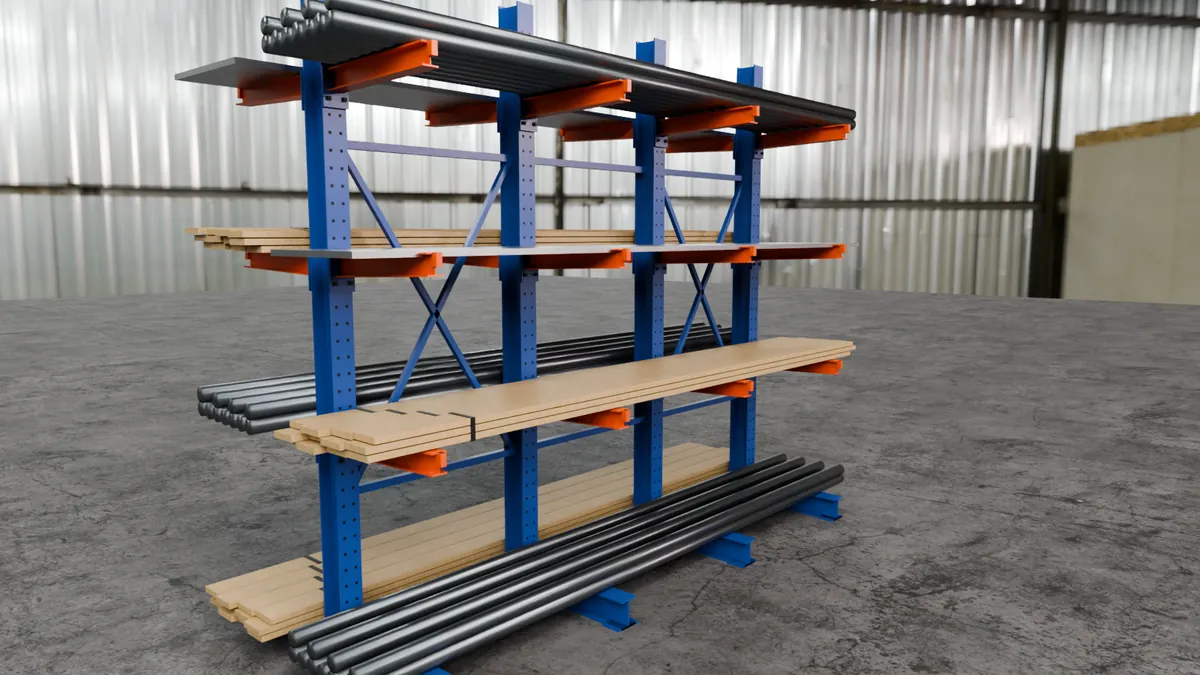
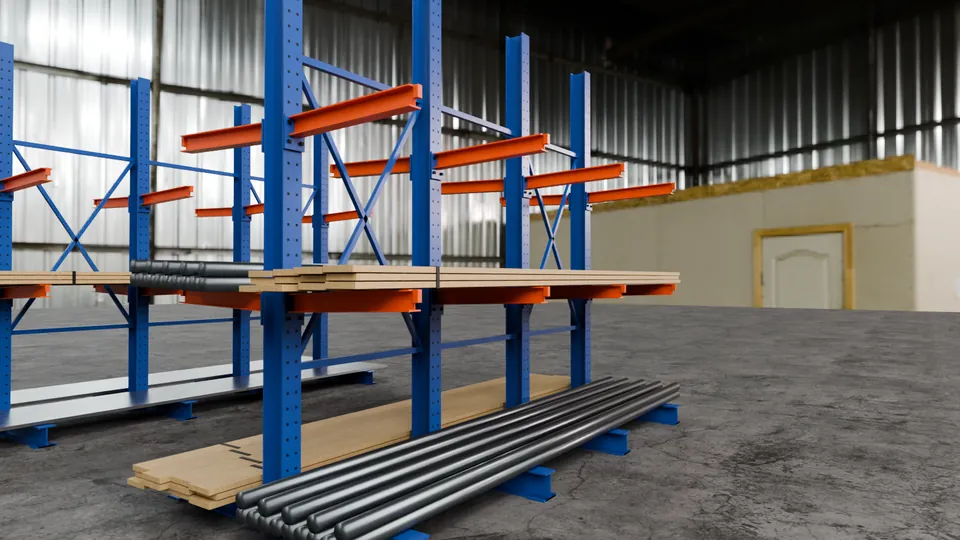
Columns with arms and no front uprights, so lumber, pipe, tubing and sheet goods load straight in from the aisle at any length. Single or double sided, indoors or out, new or used, sized to your longest and heaviest loads, supplied or installed, with a reply within one business day.
Get a quote for Cantilever Racking
20+
years installing racking
1,200+
racking installations completed
OR · WA · CA
our core service area, with projects beyond it
★ 4.9
Sizes and capacities
Why order from Lenokers
Three ways to buy
What to send for a fast quote
Photos from our jobs
More photos
Racking installations
1,200+
Years installing racking
20+
First reply
1 business day
“They did a great job, reasonable pricing, and they are very open to jobs with shifting deadlines/priorities.”
Rocky Pope, Google review
Free quote · reply within one business day
Google reviews
Related products
How is cantilever racking priced?
Per run: by column height, arm length and count, duty, single or double sided, and finish, plus freight or installation. Send your loads and space and we price the exact layout.
How many arms do I need?
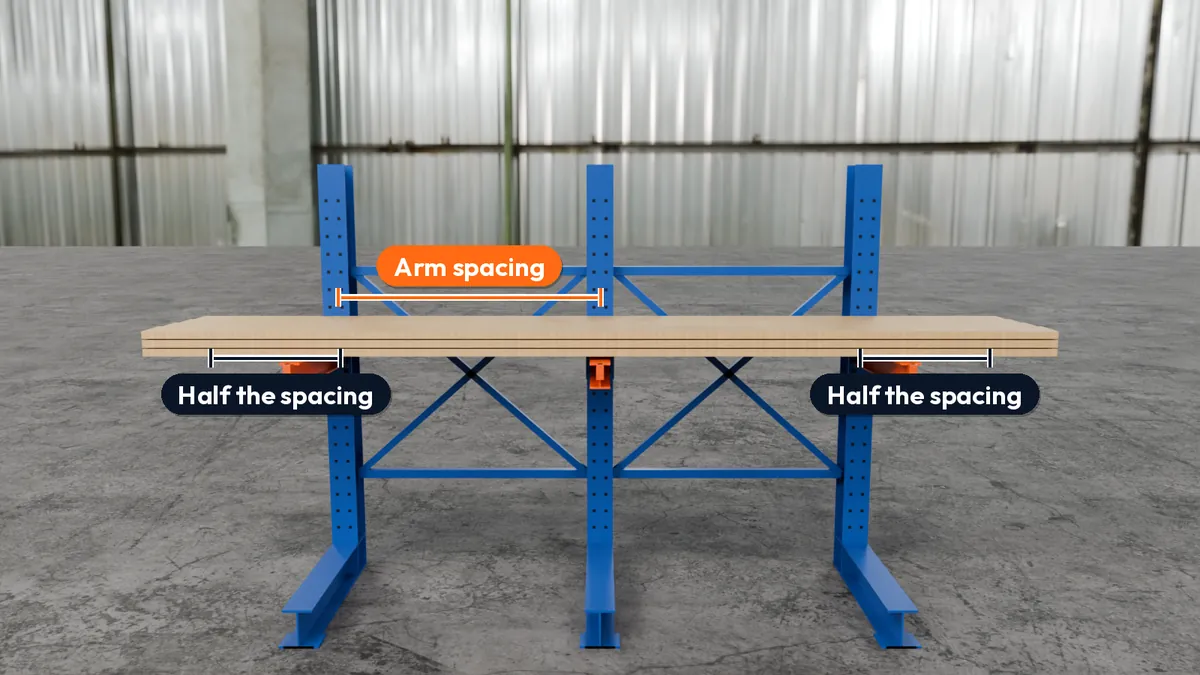
Lay the longest load on two blocks; if it sags, try three, then four. Space the arms so the load overhangs the end arms by half the arm spacing. As a rule of thumb, one arm for every 4 feet of material.
How much can each arm hold?
From about 300 lb on a light 48″ arm to 6,600 lb on a heavy structural 24″ arm, evenly loaded. Longer arms carry less, and loading only the arm tips can halve the rating, so arm length should match the load depth.
Single or double sided?
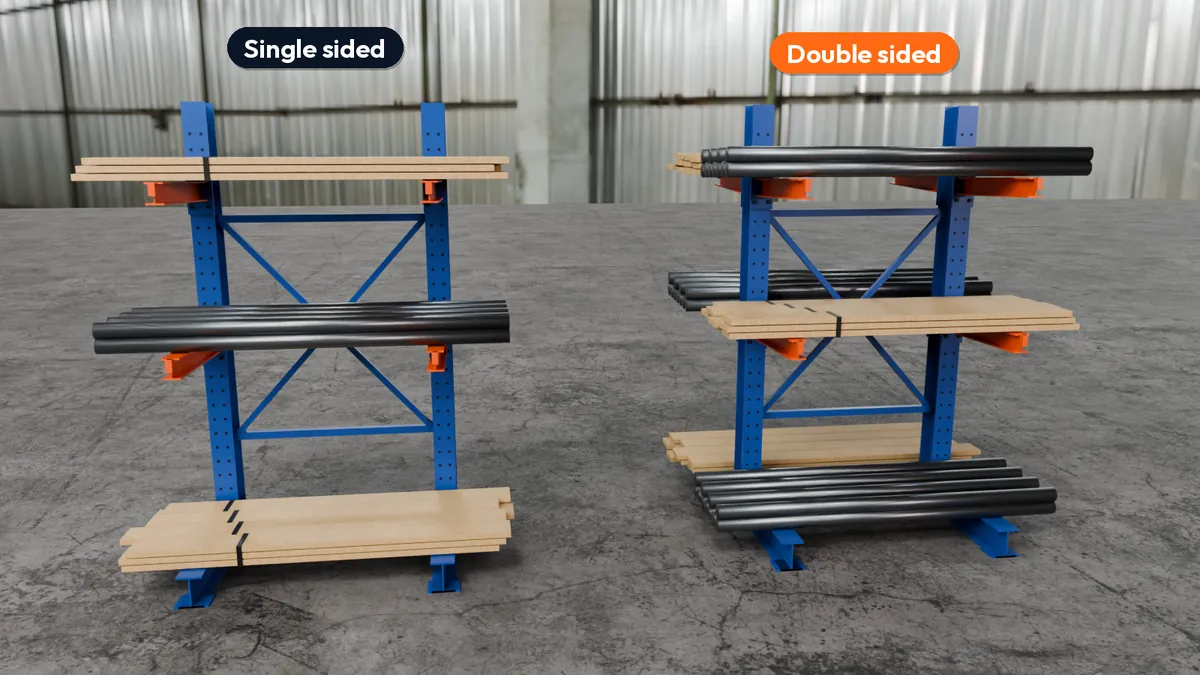
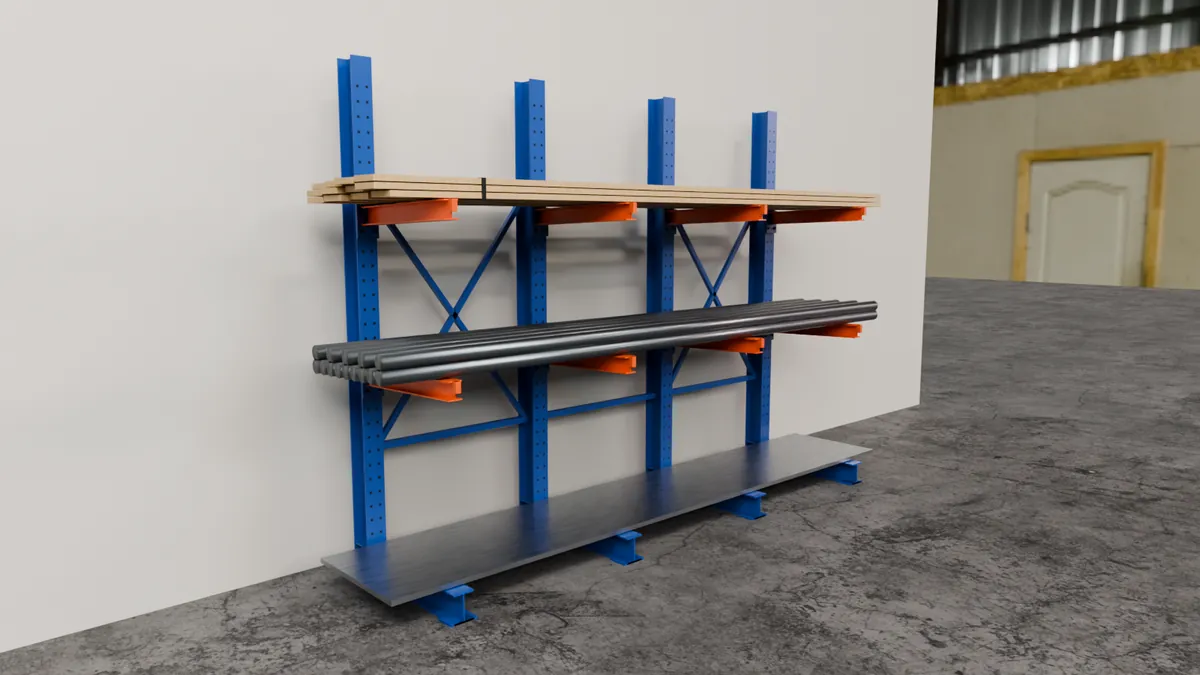
Single sided stands against a wall with arms on one face. Double sided puts arms on both faces of one column line, so two aisles share the same columns and floor.
Can cantilever racking go outdoors?
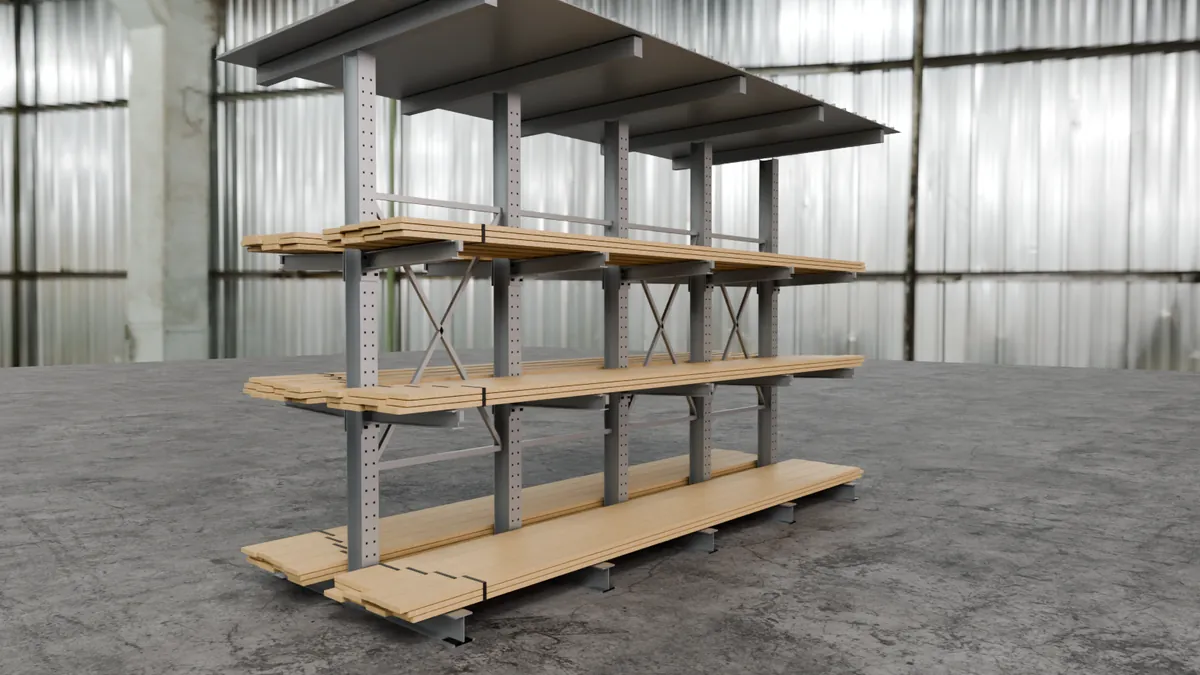
Yes. Galvanized columns and arms resist rust in yards, and a roof can be carried on the columns for covered lumber storage.
Do I need a permit?
Often: many West Coast cities ask for a permit for racking over 5′9″, and engineered anchoring above 8′. We prepare the engineering and permit drawings when your city asks for them.
Send your longest load. Get a cantilever layout.
What you store, how long and heavy it is, and the space you have. You get a priced layout with the arm and column ratings.
Any order size
New & used
Supply only or supply & install
Prefer to talk? Call 971-337-6608 · Mon–Fri 8am–5pm
Get a quote for Cantilever Racking
We reply within one business day.
About cantilever racking
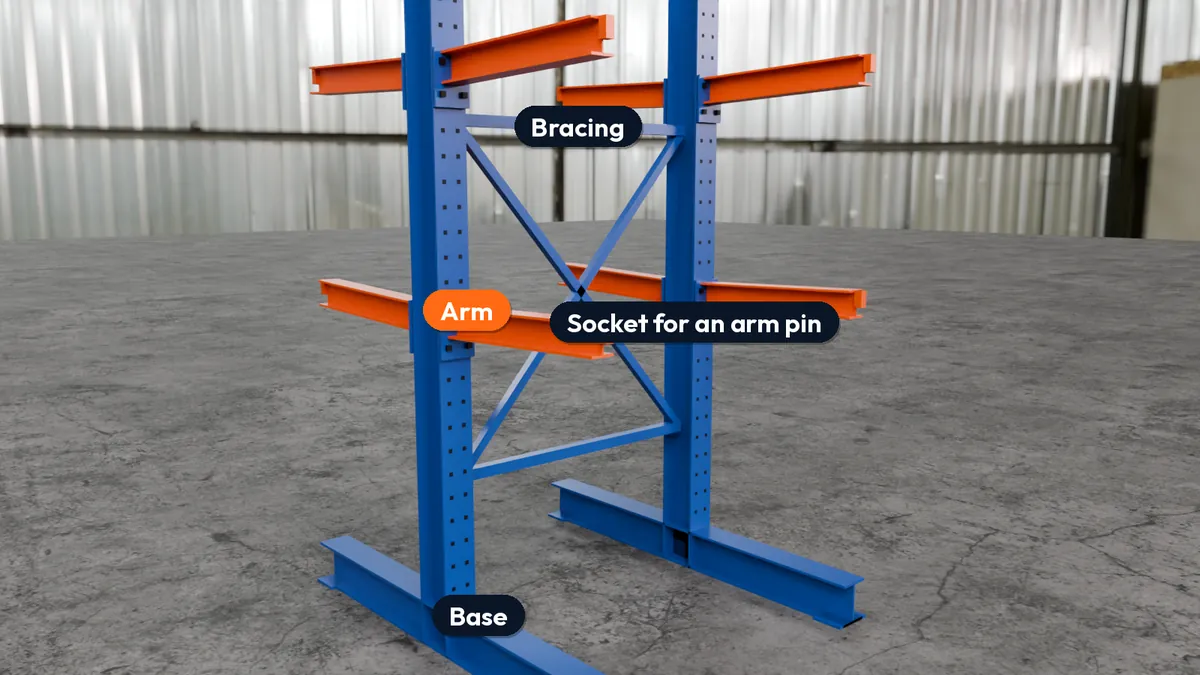
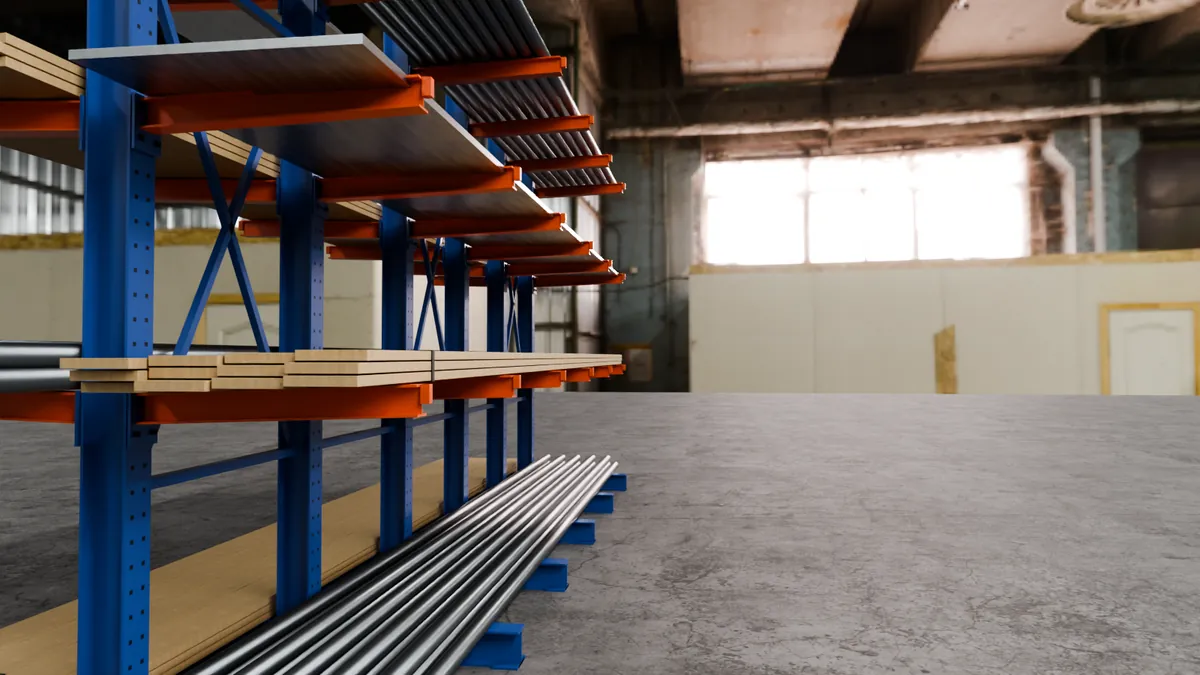
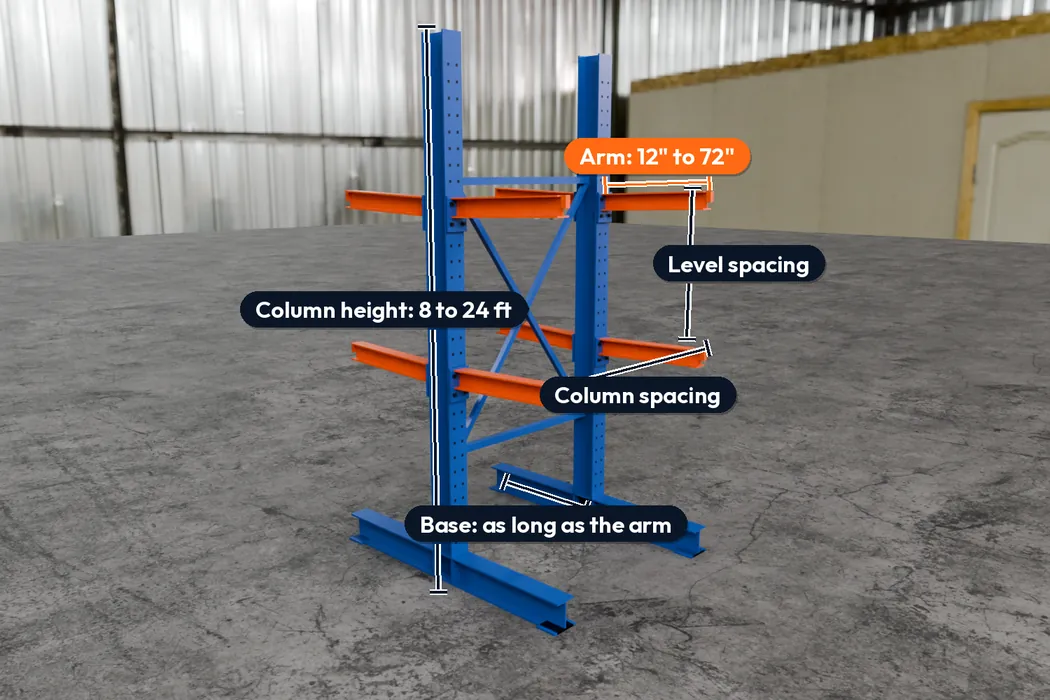
Cantilever racking stores long and bulky loads on arms that reach out from a single line of columns. With no uprights at the front, a 20-foot bundle of lumber or pipe goes onto the arms from the aisle in one move, whatever its length. Each column stands on a base as long as its arms and is braced to the next, and the arms bolt on at the height you need. Lenokers supplies cantilever racking new or used, shipped from points across the US, supply only or installed and permitted by our own crews.
Columns, arms and bases
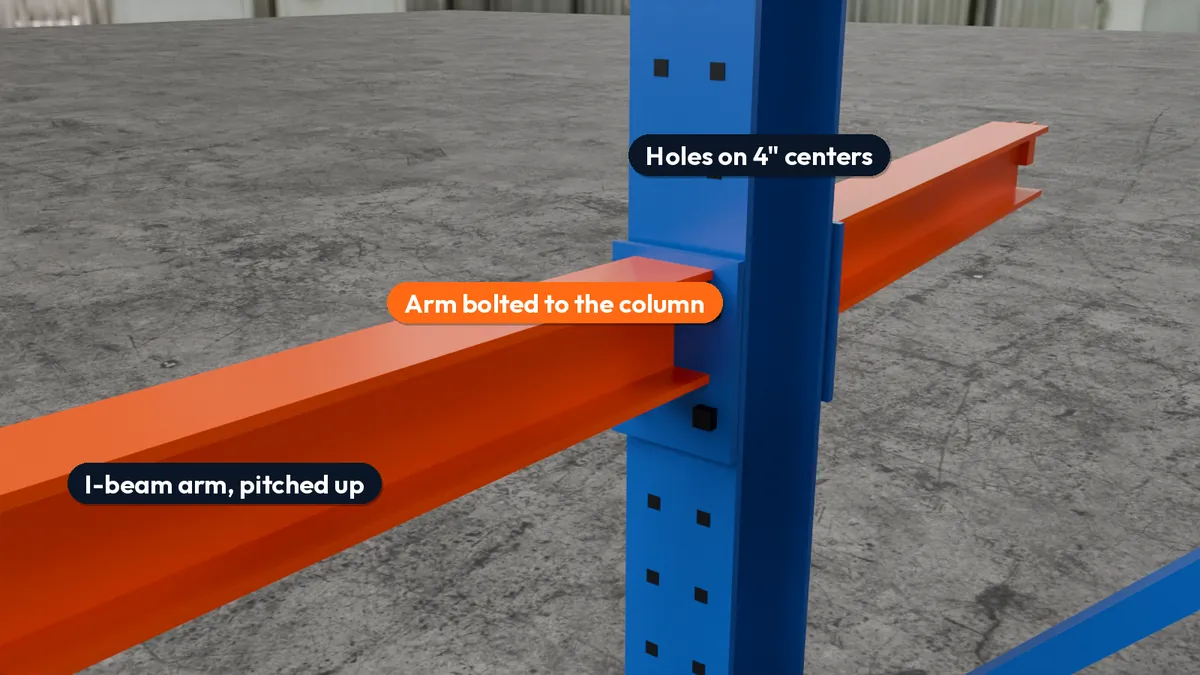
Heavy cantilever uses wide-flange I-beam columns with holes on 4″ centers. Each arm bolts to the column with a connector plate, and the base, made of the same section, is the first load level and is anchored to the floor.
Spacing the arms
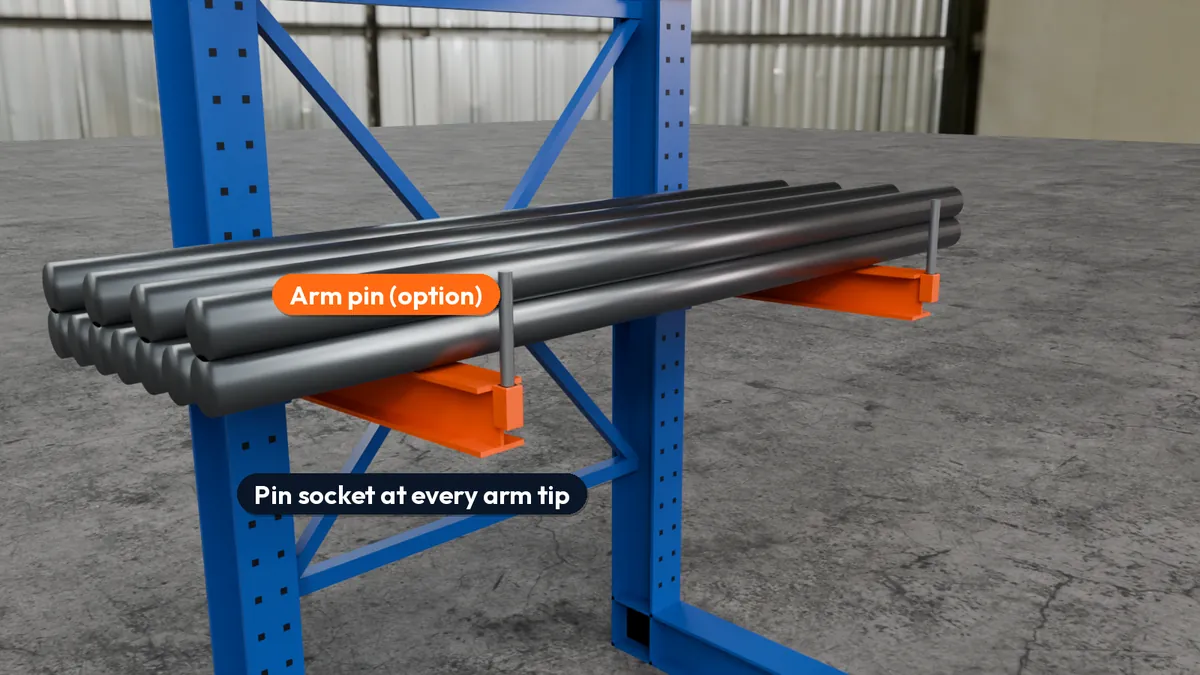
A load should rest on at least two arms and overhang the end arms by half the arm spacing, so its weight spreads evenly. Arm length should match the depth of the load; loading only the tips cuts the rating.
Single or double sided
Single-sided runs stand against a wall. Double-sided runs carry arms on both faces of one column line, serving two aisles with one set of columns.
Indoors or out
Painted racking suits warehouses. Yards use hot-dip galvanized columns and arms, often with a roof carried on the columns to keep lumber dry.